
A shared moment
A reaction becomes a story when we understand what led to it. We look at the preparation, the unexpected turn and the way a creator lets the audience share the moment without making excitement the only acceptable response.
About the journal
Streamerprofilelog is an independent editorial world of fictional streamers, imagined communities and original essays about the craft of a broadcast. Our stories travel across Canada, from Vancouver strategy rooms to Halifax radio theatre, asking what makes a creator’s work worth returning to.
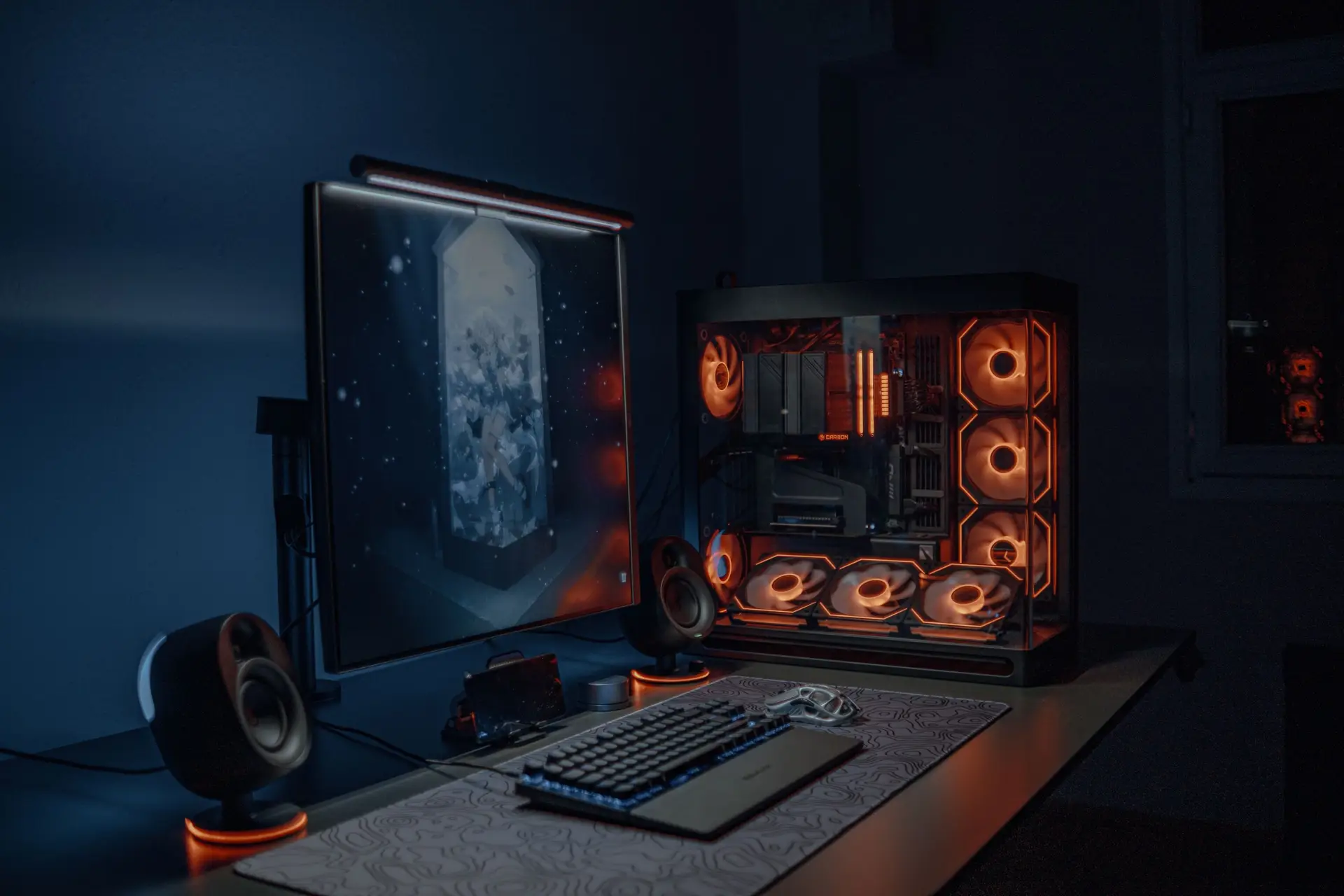
Beyond the highlight reel
What makes a creator recognisable after the screen goes dark? It might be a particular question, an unusually clear explanation or a small ritual that welcomes a reader back. Streamerprofilelog takes those details seriously.
Our publication moves between close portraits and wider essays. A dossier introduces a character in their own terms; the culture desk connects that character to a larger creative idea. The result is an archive you can enter anywhere, then follow at your own pace.
Canada supplies our sense of place, from coastal storytelling to city-building satire. Every profile stays focused on its invented persona and the experience of the imagined community around them.
The creators, community names, broadcast moments and rankings in this publication are fictional. They belong to a shared editorial setting, rather than a directory of real channels or a record of verified audience statistics. Their cities provide a sense of place; their working habits give each story its individual character.
Photography accompanies the imagined scenes as illustration. Our interest is the craft of a format: how a strategy session becomes readable, how a roleplay world remembers its promises, or how a community makes room for a new voice. Each profile should offer both a satisfying character portrait and a useful question to carry into the next essay.
We consider clarity of format, distinctiveness of voice, narrative consistency and the care shown in community rituals. A compelling profile explains what the creator does, how an episode develops and why its audience might return. A ranking places those authored qualities in conversation; it does not measure live popularity, income or competitive standing.
Our editors look for meaningful differences across the roster. Two strategists should not share the same habits with different names attached. Essays then connect the profiles through a particular question, such as the role of a recap or the purpose of a practice rule. The aim is thoughtful comparison supported by details within the stories themselves.
A fictional archive still needs to be consistent. Names, locations, signature formats and links should agree across the site. When an earlier description conflicts with an established profile, we revise the copy so the reader can follow one coherent version of the character. A change in editorial opinion should be explained through the text, rather than disguised as a new fact.
Readers can contact the editorial desk about an unclear passage, a continuity error or an accessibility problem. Please identify the page and the detail that needs attention. Concise, specific observations help us understand the issue and decide whether it requires a correction, a clearer explanation or a fuller future article.
Our favourite imagined broadcasts have boundaries. They explain the current activity, make participation optional and reach a natural stopping point. We give the same consideration to the reader: profiles have distinct subjects, essays stay focused on a question, and a useful idea should not depend on following every previous entry.
Curiosity does not require constant attendance, spending or personal access to a creator. A community can value its quieter readers, welcome someone returning after a break and disagree without becoming hostile. These principles inform the stories we choose to develop. The publication is an invitation to look closely at a creative format, then return to the rest of your day.
From the visual notebook
The photographs throughout the journal illustrate the moods, tools and shared moments that inspire our fictional scenes.
A reaction becomes a story when we understand what led to it. We look at the preparation, the unexpected turn and the way a creator lets the audience share the moment without making excitement the only acceptable response.
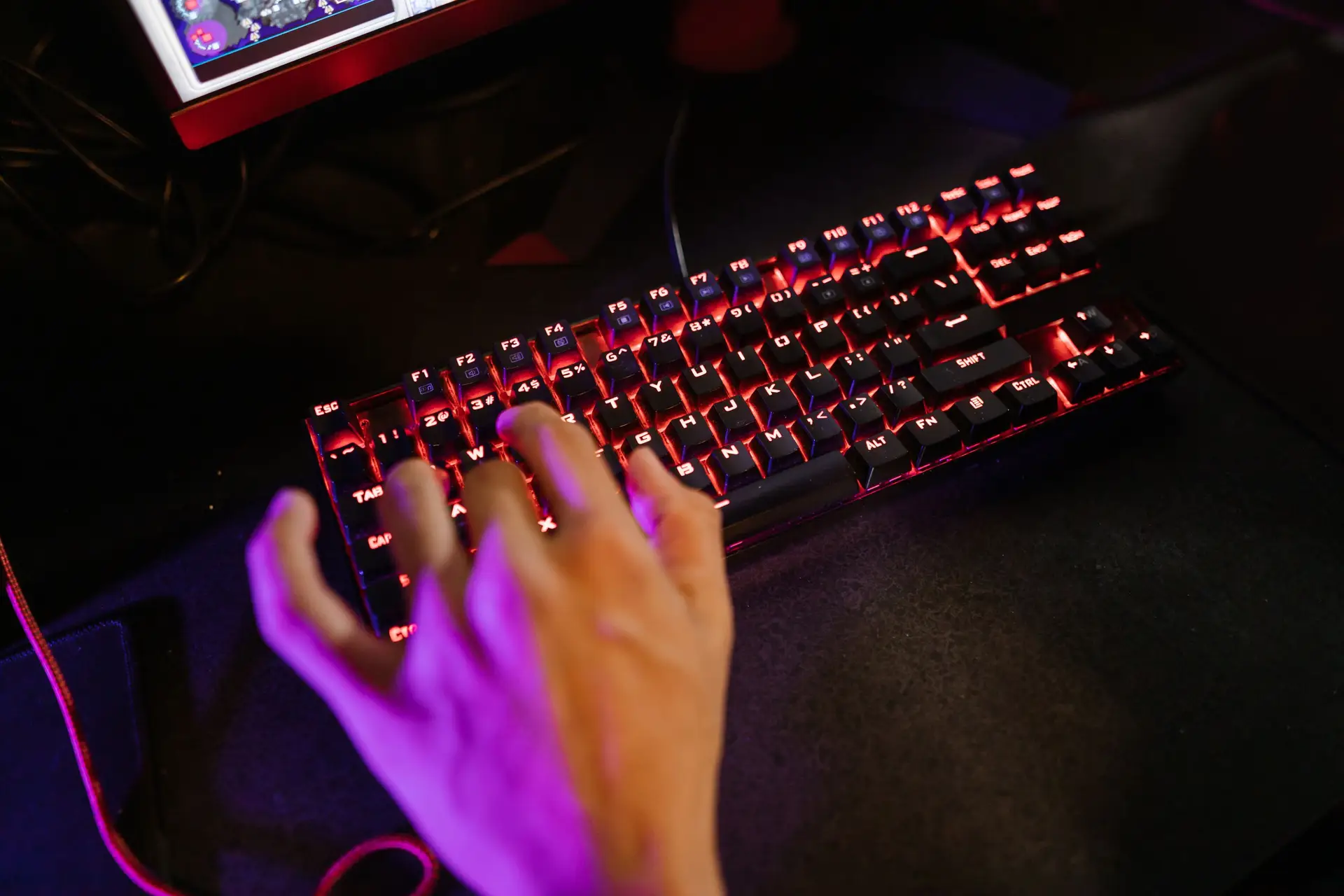
Tools tell us something about a working habit. A well-placed control, a readable note or a deliberate pause can make a complex task easier to follow. Our stories connect the appearance of a workspace to the purpose it serves.

A recognisable setting gives an episode continuity. What matters is how that setting welcomes a reader back: the familiar rhythm of a recap, an open question carried forward and a clear invitation to join the next part of the story.
A few useful answers
No. The creators, communities and broadcast stories are fictional. They form an original editorial setting that explores the craft of streaming. Photography illustrates the atmosphere and does not document the fictional characters’ lives.
We compare distinctive voice, clarity of format and the care shown in community rituals. The ranking describes the characters in this archive; it does not claim to measure real audiences, earnings or competitive results. The ranking methodology explains those choices.
Start with an interest in the profile archive. Strategy readers may enjoy Kaelen or Marlo; narrative readers can explore Lyra or Zephyr. Then follow a related culture essay for a closer look at the ideas behind the format.
Visit the contact page for the editorial desk’s details. Include the page title, the wording that needs attention and a short explanation. Questions about clarity, continuity and accessibility are welcome.